Lea Ann brings both professional expertise and personal passion to her role as Primary Therapist at MARR. She earned her Bachelor of Science in Psychology from Kennesaw State University in 2021 and completed her Master of Arts in Clinical Mental Health Counseling in 2025.
After entering recovery herself, Lea Ann felt called to support others on their healing journeys. An internship at North Georgia Recovery Center confirmed her desire to work in substance use treatment, where she later served as an Admissions Coordinator before returning to school to pursue her goal of becoming a therapist.
Since joining MARR, Lea Ann has come to value the true therapeutic community that sets the program apart. She is grateful to work alongside a qualified, compassionate team in an environment that prioritizes connection, support, and meaningful recovery.
MARR was founded on a simple but powerful belief: recovery happens best in community, with structure, accountability, and genuine care. From the very beginning, MARR has existed not as a business, but as a mission—one rooted in dignity, integrity, and the understanding that lasting recovery takes time.
Being a nonprofit organization is not just a designation for MARR; it is the framework that allows us to stay true to who we are. It shapes how we serve, how we make decisions, and how we walk alongside individuals as they rebuild their lives. Our focus has never been on volume, trends, or profit. Our focus has always been on people.
At MARR, recovery is not rushed. It is intentional. We believe that healing requires stability, consistent expectations, and a safe environment where individuals are known, supported, and held accountable. Our nonprofit structure allows us to prioritize long-term recovery over short-term outcomes and to remain grounded in practices that foster real, sustainable change.
In today’s treatment landscape, many programs are pressured to operate quickly and efficiently, sometimes at the expense of connection and continuity. MARR remains committed to a different approach—one that values depth over speed and relationships over transactions. Our homes are not simply places to stay; they are places to grow. Our programming is not designed to check boxes, but to support meaningful transformation.
Nonprofit status allows MARR to operate with integrity and transparency. It ensures that our resources are used to strengthen our recovery community, maintain safe and supportive housing, and uphold the standards that have defined MARR for decades. It also allows us to remain accountable—not just to regulations, but to the individuals and families who trust us during some of the most vulnerable moments of their lives.
Most importantly, being a nonprofit allows us to remain human. It allows staff to lead with compassion, consistency, and care. It allows residents to feel seen, challenged, and supported. And it allows MARR to continue honoring its responsibility to the recovery community by staying true to its mission, even as the world around us changes.
MARR is not driven by profit margins or growth metrics. We are driven by the belief that recovery is possible, that people are worth investing in, and that community is essential to healing. This is who we have always been—and who we will continue to be.
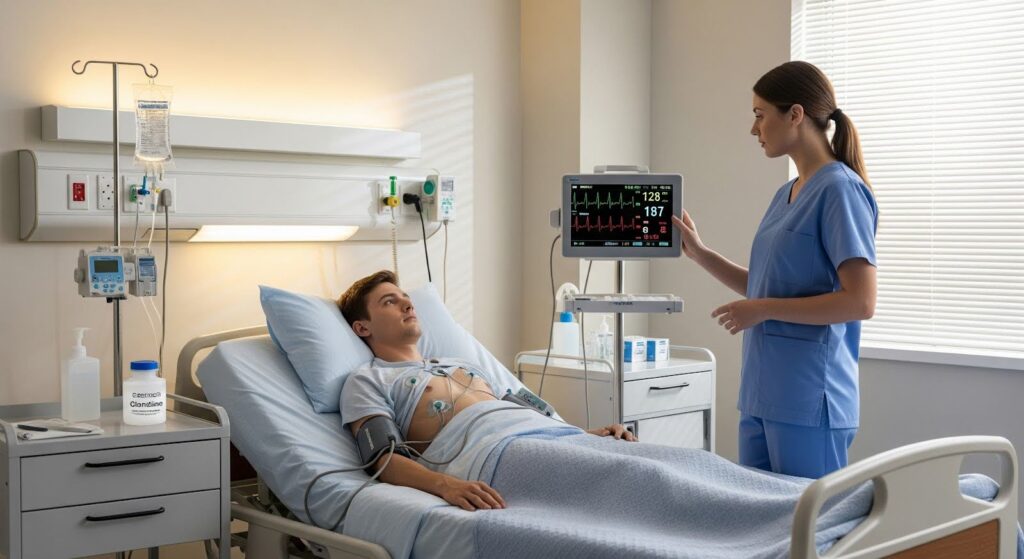
Many people ask if it is safe to drink alcohol while taking clonidine for blood pressure or other conditions.
Mixing clonidine and alcohol is dangerous because the combination amplifies sedation and can drop blood pressure to unsafe levels.
This article explains the serious risks of this interaction and how to stay safe.
Clonidine and Alcohol Interaction Risks
Clonidine is a medication primarily used to treat high blood pressure (hypertension) and attention-deficit/hyperactivity disorder (ADHD).
It works by relaxing blood vessels and reducing the heart rate. Alcohol is a central nervous system (CNS) depressant that slows down brain activity.
When you mix clonidine and alcohol, the effects of both substances do not just add up; they multiply.
This creates a synergistic effect where the sedation and physical impairment are much stronger than what you would experience with either substance alone.
The primary danger lies in the impact on your heart and brain. Clonidine lowers your heart rate and blood pressure, and alcohol expands your blood vessels, which can lower blood pressure further. This combination can lead to severe dizziness, fainting, and a risk of falls.
The Mechanism Behind the Risk
Clonidine works as a central alpha-2 adrenergic agonist. This means it blocks specific signals from the brain to the nervous system that normally keep your heart rate and blood pressure up.
Alcohol also depresses the central nervous system. When these two mechanisms overlap, the body loses its ability to regulate blood pressure effectively.
Research indicates that this interaction causes synergistic CNS depression, meaning the drowsiness and lack of coordination are far more intense than expected.
This can be particularly risky for people who drive or operate machinery, as the level of impairment can occur rapidly and without warning.
Impact on Heart Rate and Blood Pressure
The combination of clonidine and alcohol creates a dual threat to your cardiovascular stability. Clonidine naturally causes bradycardia, which is a slower than normal heart rate.
Alcohol can cause peripheral vasodilation, where blood vessels widen and blood pressure drops.
This can result in syncope, which is a medical term for fainting or passing out. If a person faints while intoxicated, they are at a higher risk of injury from falling or aspirating vomit, which can be fatal.
Side Effects of Mixing Alcohol and Clonidine
The side effects of mixing alcohol and clonidine range from mild discomfort to life-threatening emergencies.
Because both substances affect the brain’s alertness levels, the most immediate sign of an interaction is profound drowsiness. However, the physical symptoms can escalate quickly.
Common side effects include:
Extreme drowsiness or lethargy
Dry mouth
Dizziness and lightheadedness
Slowed reflexes and impaired judgment
Unsteadiness or loss of coordination
In more severe cases, the interaction leads to dangerous outcomes that may require emergency medical attention.
The risk of respiratory compromise increases, meaning breathing may become shallow or stop altogether. This is especially true if other depressants, such as opioids or benzodiazepines, are also involved.
Comparing the Effects
Understanding the difference between the effects of the drug alone versus the combination can help identify when an interaction is occurring.
Feature
Clonidine Alone
Alcohol Alone
Clonidine + Alcohol
Primary Effect
Lowers BP/HR, sedation
Sedation, incoordination
Profound sedation, dangerously low BP
Heart Rate
Slows down (bradycardia)
Variable, often unchanged
Markedly slower; high risk of fainting
Mental State
Calm, sleepy
Impaired judgment
Hard to arouse, confusion, deep stupor
Physical Risk
Dizziness when standing
Poor balance, stumbling
Severe fall risk; high chance of head injury
Clonidine and Alcohol Withdrawal Management
Clonidine is frequently used in medical settings to help manage alcohol withdrawal syndrome (AWS).
However, its role is specific and limited. It is used as an adjunct treatment, meaning it is added to other primary medications rather than being the main treatment itself.
The Role of Clonidine in Detox
During alcohol withdrawal, the body experiences a surge of adrenaline, leading to symptoms like sweating, tremors, rapid heart rate, and high blood pressure.
It is important to note that clonidine does not prevent seizures or delirium tremens, which are the most dangerous complications of alcohol withdrawal.
For this reason, benzodiazepines remain the first-line treatment for preventing these severe outcomes. Clonidine is only added when heart rate and blood pressure remain high despite standard treatment.
Risks During Withdrawal Treatment
Using clonidine for alcohol withdrawal requires careful medical supervision. Because the patient may still have alcohol in their system or may be receiving benzodiazepines, adding clonidine increases the risk of over-sedation.
Clinicians must monitor the patient closely to ensure that the medication does not hide worsening symptoms.
For example, a rising heart rate is often a sign that withdrawal is getting worse. If clonidine artificially lowers the heart rate, medical staff might miss the warning signs of an impending seizure.
Therefore, clinical guideline highlights advice against using clonidine as a standalone therapy for alcohol withdrawal.
Dangers of Clonidine and Alcohol Interaction in Special Groups
Certain groups of people face much higher risks when mixing clonidine and alcohol.
Physiological changes due to age or health conditions can make the body less able to process these substances, leading to toxic buildup and more severe reactions.
Older Adults
Older adults are particularly vulnerable to the side effects of clonidine, even without alcohol.
The Beers criteria list clonidine as a potentially inappropriate medication for older adults due to the high risk of profound bradycardia and hypotension.
When alcohol is added, the risk of falls and hip fractures increases dramatically. Older kidneys also process drugs more slowly, meaning the medication stays in the system longer.
This extended duration means that even a small amount of alcohol can trigger a significant adverse event, such as fainting upon standing.
Renal Impairment
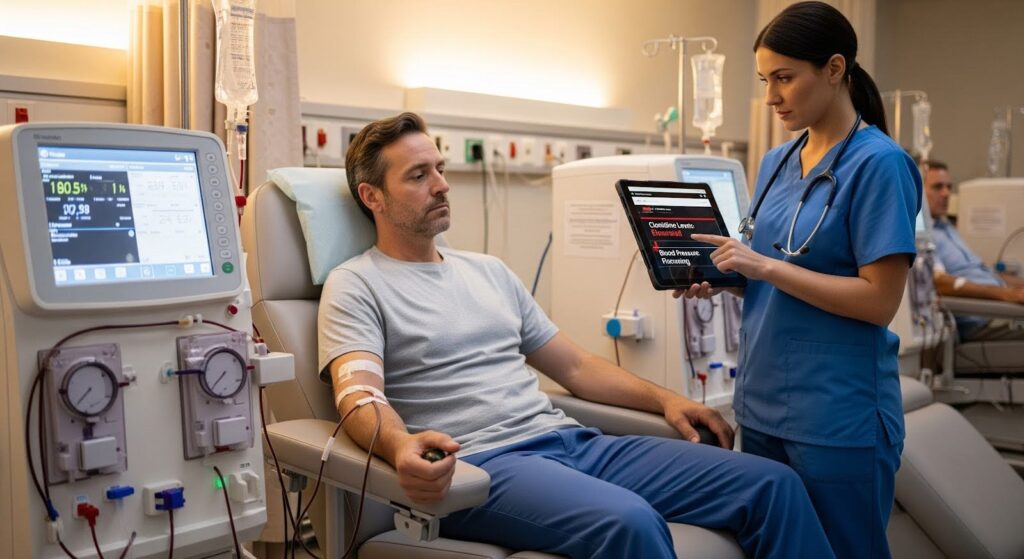
People with kidney disease or those on dialysis must be extremely cautious. Clonidine is removed from the body through the kidneys.
In patients with renal impairment, the drug’s half-life can extend from the typical 12 hours to over 40 hours.
Because clonidine is not appreciably dialyzable, it cannot be easily removed from the blood if an overdose or bad interaction occurs.
Alcohol use in this population can lead to unpredictable blood pressure fluctuations and dangerous accumulation of the drug, leading to extended periods of sedation and instability.
Pediatric Risks
While children do not typically consume alcohol intentionally, the presence of clonidine in the home for ADHD treatment has led to a rise in accidental poisonings. Poison center data shows that pediatric exposures to clonidine are increasing.
In adolescents who may experiment with alcohol, the combination is perilous. A young person taking clonidine for ADHD who drinks alcohol may experience a rapid onset of deep sedation and slow heart rate, which can be mistaken for simple drunkenness, delaying necessary medical help.
Overdose and Emergency Management
Recognizing the signs of a clonidine and alcohol overdose can save a life. The window for intervention can be short, especially if the person has passed out.
Identifying an Overdose
The hallmark signs of toxicity involving clonidine include a very slow heart rate (bradycardia), low blood pressure (hypotension), and pinpoint pupils. When alcohol is involved, the person may be unable to wake up.
Breathing may become shallow or irregular. In severe cases, the person may require mechanical ventilation because their body forgets to breathe.
If you suspect someone has mixed these substances and cannot be awakened, call emergency services immediately.
Medical Treatment
There is no specific antidote that completely reverses clonidine poisoning. Treatment focuses on supportive care. Doctors will focus on keeping the airway open and maintaining blood pressure.
Intravenous fluids are often given to boost blood pressure. If that is not enough, medications called vasopressors may be used to tighten blood vessels.
While naloxone is sometimes used in pediatric clonidine toxicity to reverse sedation, it is not always effective and is used with caution in adults who might also be dependent on opioids.
Why Does It Matter?
Understanding the interaction between clonidine and alcohol is not just about avoiding a bad hangover; it is about preventing life-threatening medical emergencies.
The combination creates a perfect storm of depressed brain function and cardiovascular instability.
For patients prescribed clonidine, the safest choice is to avoid alcohol completely.
If you are taking clonidine for alcohol withdrawal, it is vital to do so only under strict medical supervision where your heart rate and blood pressure can be monitored constantly. The risks of falls, head injuries, and respiratory failure are too high to ignore.
If you or a loved one are struggling to manage alcohol use while taking medication, MARR’s professional support can ensure safety and stability.
I came to MARR in August of 2023 after my wife gave me an ultimatum, rehab or jail. The choice was simple, but the reality behind it wasn’t. I couldn’t accept that drinking was the problem. I blamed my unmanageability on everything else, depression, anger, isolation, even a kind of personal philosophy built on despair.
When I first arrived, I was surrounded by people who understood me in a way I had never experienced. The counselors told me that my problem was much simpler than I believed. My sponsor told me that yes, I had depression and anger issues, but I was also an alcoholic. Hearing that was frustrating, but as MARR became a safe place, I slowly opened myself to the possibility that they were right. My sponsor explained that the steps could address those deeper issues, but only if I started with honesty, accepting that I was, in fact, an alcoholic.
Working the steps forced me to confront some dark truths about my life and helped me begin developing a relationship with God. By the time I reached three-quarters, I had built a solid base of support, even if imperfect. My relationship with my wife seemed to be improving, but after discovering her affair, I made the difficult decision to end the relationship, out of a new sense of self-respect. One week later, I was arrested for the charges that had originally pushed me into MARR. In the end, I had to live out both sides of the ultimatum. That’s where my drinking had taken me.
While in jail, I stayed committed to my program. I made gratitude lists, found ways to be of service to the men around me, and stayed connected to my higher power. I felt genuine love from my family and my MARR community, even from the outside.
After my release in March of 2025, Todd Valentine welcomed me back into three-quarters, and I’ve stayed close to MARR ever since. I still feel moments of regret about my marriage, but I also recognize that without her ultimatum, I might never have found this new way of life. MARR gave me a chance at something different, something I never could have imagined.
My name is Jacob Pashia, and as the Program Director for MARR, I am thrilled to announce the restart of our monthly newsletter—a vibrant touchpoint we’ve missed over the past year. This publication has always been more than updates; it’s a celebration of resilience, connection, and the unwavering spirit of recovery that defines us. We’re back, and we’re stronger for it.
Over the past year, MARR has had an amazing ride—one that tested our foundations but ultimately reaffirmed our purpose. At the end of 2024, we found ourselves in a difficult position, grappling with challenges that many nonprofits in our field face: resource strains, evolving needs in the recovery landscape, and the ever-present demands of compassionate care. Yet, throughout 2025, we’ve forged a path forward with grit, innovation, and the unyielding support of our incredible community. Today, we stand on solid ground again, ready to build even higher.
We’ve made thoughtful changes to our programs while fiercely maintaining the core of what MARR is: a Therapeutic Community rooted in mutual support, personal accountability, and holistic healing. These adaptations—which include enhanced trauma-informed practices, expanded alumni engagement initiatives, and streamlined access to evidence-based therapies like DBT and mindfulness—have allowed us to serve more individuals with greater impact. We’ve seen firsthand how these evolutions not only sustain our mission but amplify it, turning obstacles into opportunities for deeper transformation.
As we relaunch this newsletter, expect stories that inspire: alumni spotlights on lives reclaimed, staff insights into innovative group sessions (like our renewed focus on gratitude and hope in recovery), event recaps from our recent 50th Anniversary Banquet, and practical resources for your own journey. This is your space—whether you’re a current resident, alum, family member, donor, or advocate.
Thank you for being the heartbeat of MARR. Together, we’re not just recovering; we’re thriving. Here’s to new beginnings, one newsletter at a time.