

Overdose deaths in metro Atlanta have shifted in unexpected ways over the past two years. DeKalb County recorded 203 overdose deaths in 2024, down from 217 in 2023, a 6.5% decline that mirrors broader national trends. This article explains which Atlanta-area counties likely experienced the largest changes in overdose mortality during 2024–25 and what local factors drove those shifts.
Atlanta Overdose Mortality 2024: The Big Picture
After years of relentless increases, overdose deaths declined nationally by roughly 24.5% in the 12 months ending April 2025 compared to the prior year. Georgia followed suit with a similar downward trend. DeKalb County’s confirmed 6.5% decrease offers a concrete example of this stabilization, though the underlying risk architecture remains largely unchanged.
The most important detail: approximately 65 to 70% of DeKalb’s overdose deaths, about 150 annually, involved fentanyl, either alone or combined with other substances like cocaine or methamphetamine. This polysubstance pattern is the dominant driver of contemporary overdose mortality across the metro area.
National Context: Stimulants and Fentanyl Co-Involvement
Between January 2021 and June 2024, 59% of overdose deaths across 49 states and DC involved stimulants. Methamphetamine appeared in 31.2% of deaths, cocaine in 30%, and both substances together in 3.8%. These figures confirm that fentanyl’s spread into stimulant supplies, not just opioid markets, defines the current crisis.
Georgia’s Department of Public Health attributes the sharp rise since 2020 to fentanyl’s increased presence across the illicit drug supply, including in stimulants. This contamination pattern is consistent with DeKalb medical examiner data and national toxicology findings.
Overdose Death Trends Atlanta Counties: County-by-County Analysis
DeKalb County: Confirmed Decline
DeKalb County provides the clearest 2024 picture. The county recorded:
- 142 overdose deaths in 2020
- 174 in 2021
- 199 in 2022
- 217 in 2023
- 203 in 2024
The 2024 decrease is real and aligns with state and national provisional declines. However, the fentanyl share remains very high, approximately two-thirds of all deaths. This should be interpreted as stabilization rather than resolution. The overwhelming fentanyl involvement indicates continued vulnerability to spikes tied to supply shifts, including the reemergence of ultra-potent analogs like carfentanil.
Fulton County: Likely Stabilization
Fulton County has historically experienced high opioid-related mortality. The medical examiner’s office identified 154 opioid-related deaths in 2016, a 156% increase since 2010. This prompted the creation of an opioid prevention plan and coordinator role.
While finalized 2024 totals were not publicly enumerated at the time of this analysis, the broader statewide decline and observed reductions in DeKalb suggest Fulton likely experienced stabilization or a modest decline from its 2021–22 peaks. The same fentanyl–stimulant co-involvement pattern documented statewide almost certainly applies in Fulton, given its central place in the metro drug market and healthcare system.
Cobb and Gwinnett Counties: Mixed Patterns
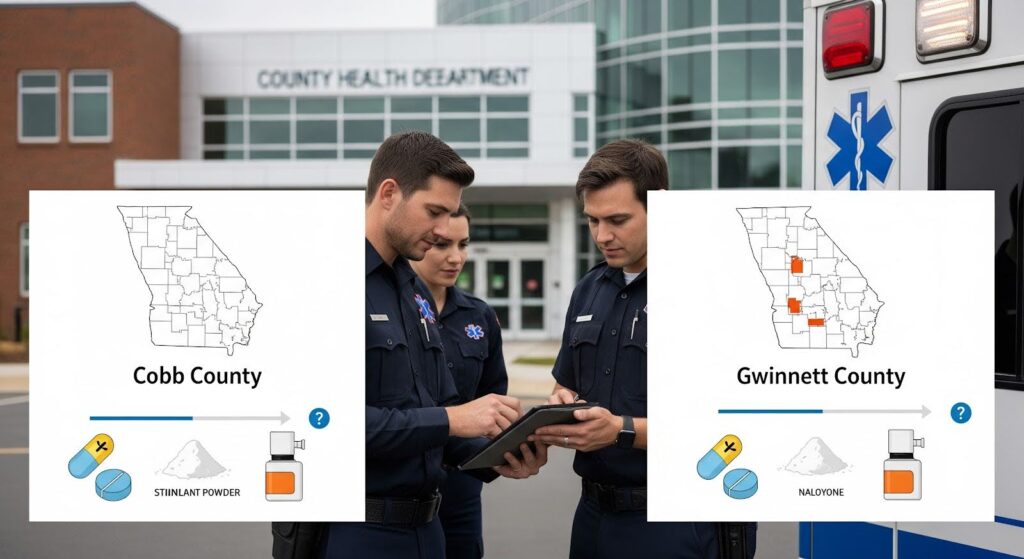
No official 2024 totals for Cobb or Gwinnett were enumerated in available public records. Given statewide declines in 2024 and metro-wide fentanyl dynamics, both counties’ trends likely mirror stabilization or modest decreases after sharp increases through 2022.
Heterogeneity is expected across subpopulations, and localized surges can occur. Emergency department and EMS signals remain essential to identify shifts early. The same fentanyl-driven co-involvement patterns apply, and prevention infrastructure should be maintained and calibrated for each county’s diverse population.
Increased Overdose Deaths Atlanta: Which Counties Saw Rises?
While the metro area as a whole likely experienced declines or stabilization in 2024, certain patterns suggest potential increases in specific contexts:
Exurban and High-Growth Counties
Fast-growing exurban counties, particularly Cherokee and Henry, may have experienced percentage increases despite smaller absolute numbers. These areas face:
- Rapid population growth and suburban-to-exurban transition
- Lower-density harm reduction infrastructure compared to core metro counties
- Exposure to fentanyl in stimulant networks
- Smaller baselines that magnify percentage swings
Counties at this stage often lag in medication for opioid use disorder (MOUD) density, naloxone saturation in non-opioid-using communities, and broad fentanyl-risk literacy, especially among stimulant users.
The Carfentanil Risk
CDC reports a reemergence of carfentanil detections in 2023–24 across multiple states, including Georgia (one to nine deaths in 2023). Even small absolute counts can have outsized public health impact because of extremely high potency and cluster potential. This raises concern for sporadic but catastrophic clusters that can stress local systems and spike case fatality.
Why Did Some Counties See Declines While Others Faced Increases?
Fentanyl’s Dominance and Stimulant Co-Involvement
DeKalb’s fentanyl involvement at roughly 65 to 70% of overdose deaths corresponds with national patterns showing high stimulant involvement and frequent opioid co-involvement. Georgia DPH reports fentanyl’s presence in stimulants rising since 2020, arguably the most important statewide driver shaping mortality risk.
For stimulant-only overdose deaths, patterns suggest an elevated burden of cardiovascular disease. This implicates the healthcare system’s role in screening and brief intervention, and warns about cardiac risks of stimulants in risk communication.
Systems Access and Harm Reduction Infrastructure
The most likely explanation for declines is multi-factorial:
- Expanding naloxone distribution and overdose education
- Improved supply dynamics in some markets
- Overdose Data to Action (OD2A)-driven interventions
- Increased awareness among users and communities
Counties with strong emergency department-based naloxone distribution, peer navigators, immediate MOUD initiation, and post-discharge follow-up likely benefited most during the national downturn. In contrast, exurban counties with fewer hospital hubs, fewer providers able to prescribe buprenorphine, and limited post-overdose outreach faced structural barriers to achieving rapid declines.
Data Systems Driving Local Response
Georgia’s OASIS (Online Analytical Statistical Information System) provides county-level overdose mortality statistics with definitions that closely mirror National Center for Health Statistics specifications. Counts are based on place of residence: Georgia residents are counted for their county of residence, even if death occurs out-of-state.
The State Unintentional Drug Overdose Reporting System (SUDORS) integrates death certificates, medical examiner reports, and postmortem toxicology to characterize substances involved and contextual factors. These systems together support robust triangulation to detect intra-metro variation and emerging hotspots.
What This Means for Metro Atlanta in 2025?
The 2024 declines demonstrate that deaths can be reduced under current conditions. But the fentanyl–stimulant polysubstance environment is entrenched, and sporadic high-potency threats remain.
Key Priorities for All Counties
Naloxone saturation, including leave-behind protocols: Naloxone remains the frontline antidote for opioid-involved overdose. Standardizing training and distribution across county EMS and emergency department settings is a high-yield, low-risk intervention.
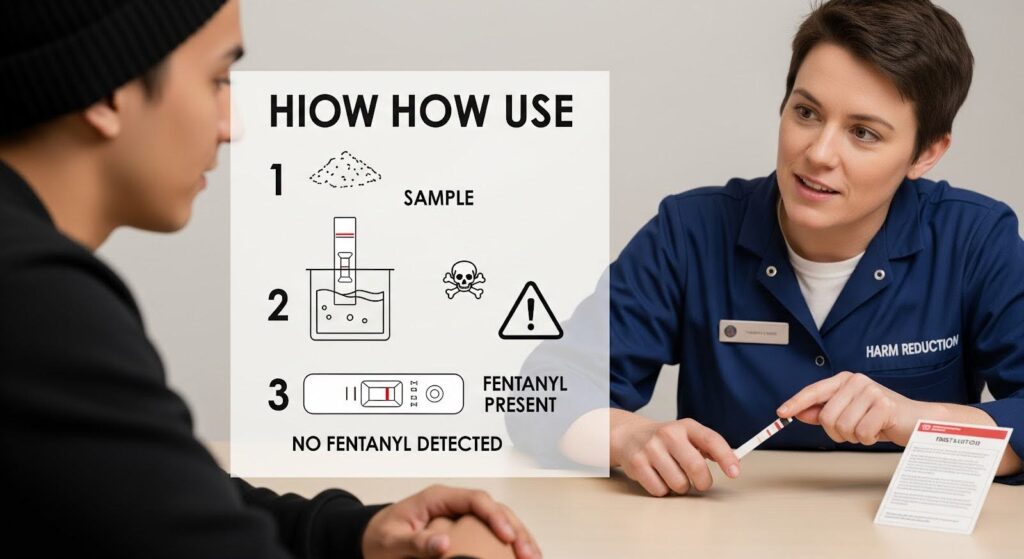
Fentanyl test strips for stimulant users: Given fentanyl’s presence in stimulants since 2020 in Georgia, distributing fentanyl test strips to people who primarily use cocaine or methamphetamine, plus risk communications on small-dose lethality, should be standard practice.
Expand MOUD and contingency management: Medications for opioid use disorder reduce mortality risk by as much as 50% and should be expanded with low-barrier access. Contingency management is an evidence-based intervention for stimulant use disorder, addressing the stimulant side of polysubstance risk.
Integrated data systems: Many metropolitan areas have accelerated progress with transparent, near-real-time dashboards integrating final mortality, provisional indicators, and methods documentation. Metro Atlanta has the components; integration, standardization, and regular updates are needed to drive data-to-action cycles.
County-Specific Recommendations
| County | Priority Actions |
|---|---|
| DeKalb | Maintain and expand naloxone leave-behind; distribute test strips to stimulant-using networks; expand low-barrier MOUD access |
| Fulton | Scale leave-behind programs; deploy test strips via harm reduction partners; continue MOUD expansion via county behavioral health services |
| Cobb | Expand community naloxone channels; integrate test strips in all outreach; broaden primary care medication-assisted treatment linkages |
| Gwinnett | Maintain naloxone programs; ensure multilingual test strip access; strengthen MOUD referral networks |
The Path Forward
Metro Atlanta enters 2025 with cautious momentum. The confirmed declines in 2024 are encouraging, but the structural drivers, fentanyl’s persistent infiltration of stimulants, high polysubstance involvement, and episodic risk of extremely potent analogs, remain firmly in place.
The decisive factor for 2025 will be the speed and fidelity of data-to-action cycles: combining transparent, integrated surveillance with saturated harm reduction and treatment access. The highest-impact actions are operational rather than conceptual: saturate naloxone supply and training, scale fentanyl test strip distribution to stimulant users, expand low-barrier MOUD and contingency management, and launch an integrated metro overdose dashboard.
DeKalb’s verified progress in 2024, despite its heavy fentanyl burden, suggests that targeted, data-responsive strategies can reduce deaths even in high-risk contexts. The lesson for neighboring counties is clear: faster data integration and rapid response capabilities will likely yield further reductions in 2025, particularly if accompanied by sustained community outreach and harm reduction for stimulant users.
If you or someone you know is struggling with substance use, MARR’s evidence-based treatment can make a difference. Reach out to explore our addiction counseling options that fit your needs.
